The Decision is Made Everywhere
Karl Barth's Sifting Experiment in 1933

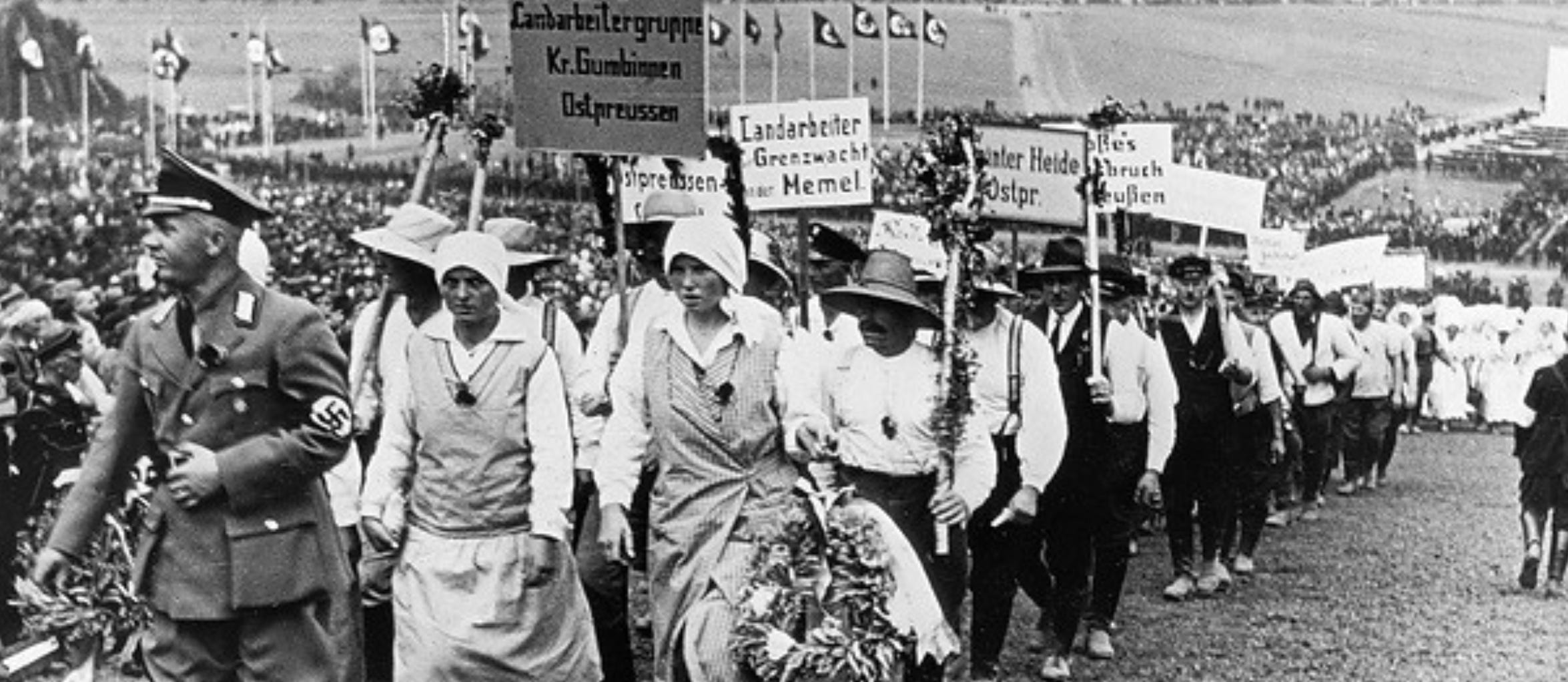
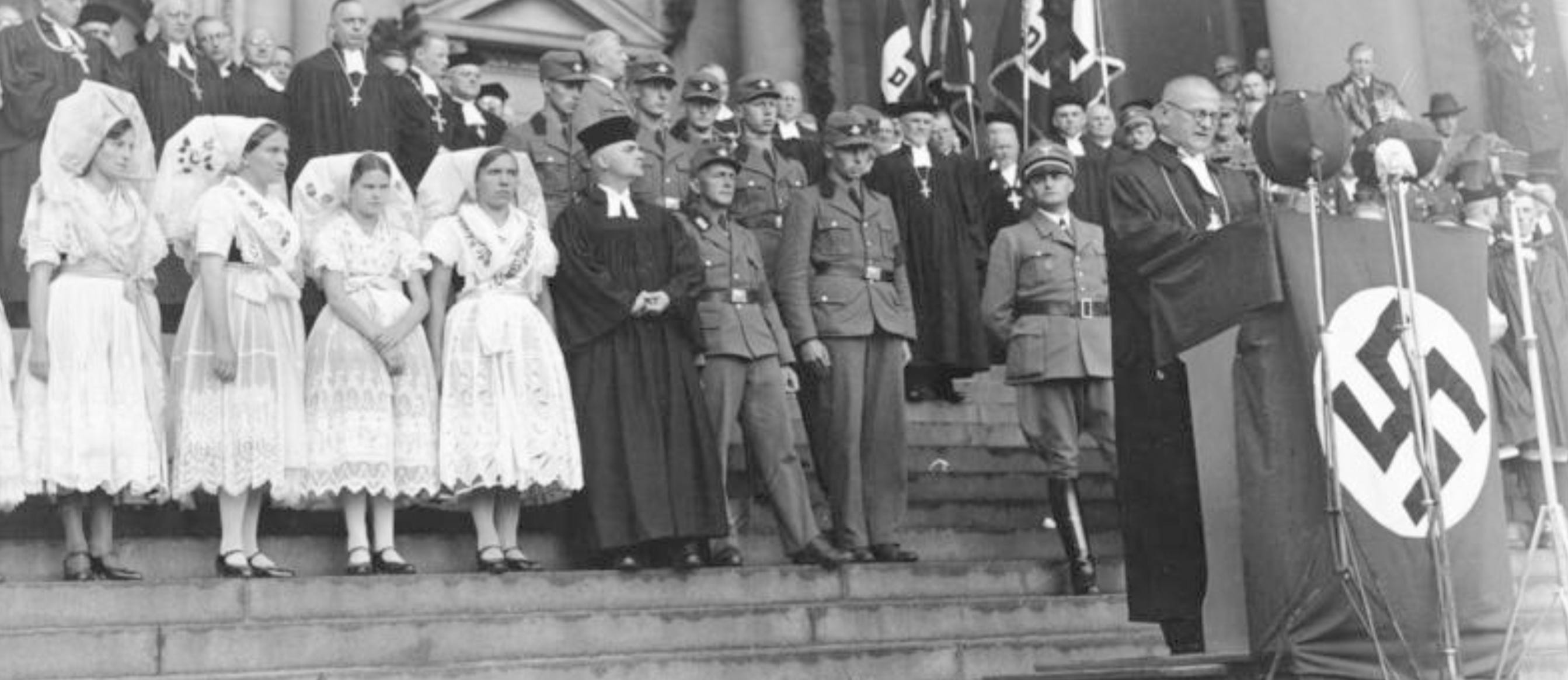
“And Germany died a hopeless death.” So the liturgy ran in a worship service held during the national harvest festival in Quedlinburg, Germany in early October 1933. “Then it grieved God. Then God called his Savior onto the scene. And this Savior is named Adolf Hitler.” The parallel with Christ was not left implicit. The service declared that Hitler grasped the innate law of German life and made it true in his own body, so that a dead Germany could rise from the ashes of defeat.
After excerpts from this service were reported in the resistance pamphlet Junge Kirche, shock spread across the Protestant church. Many German pastors—including conservative, Nazi-sympathetic ones—knew that a line must be drawn.
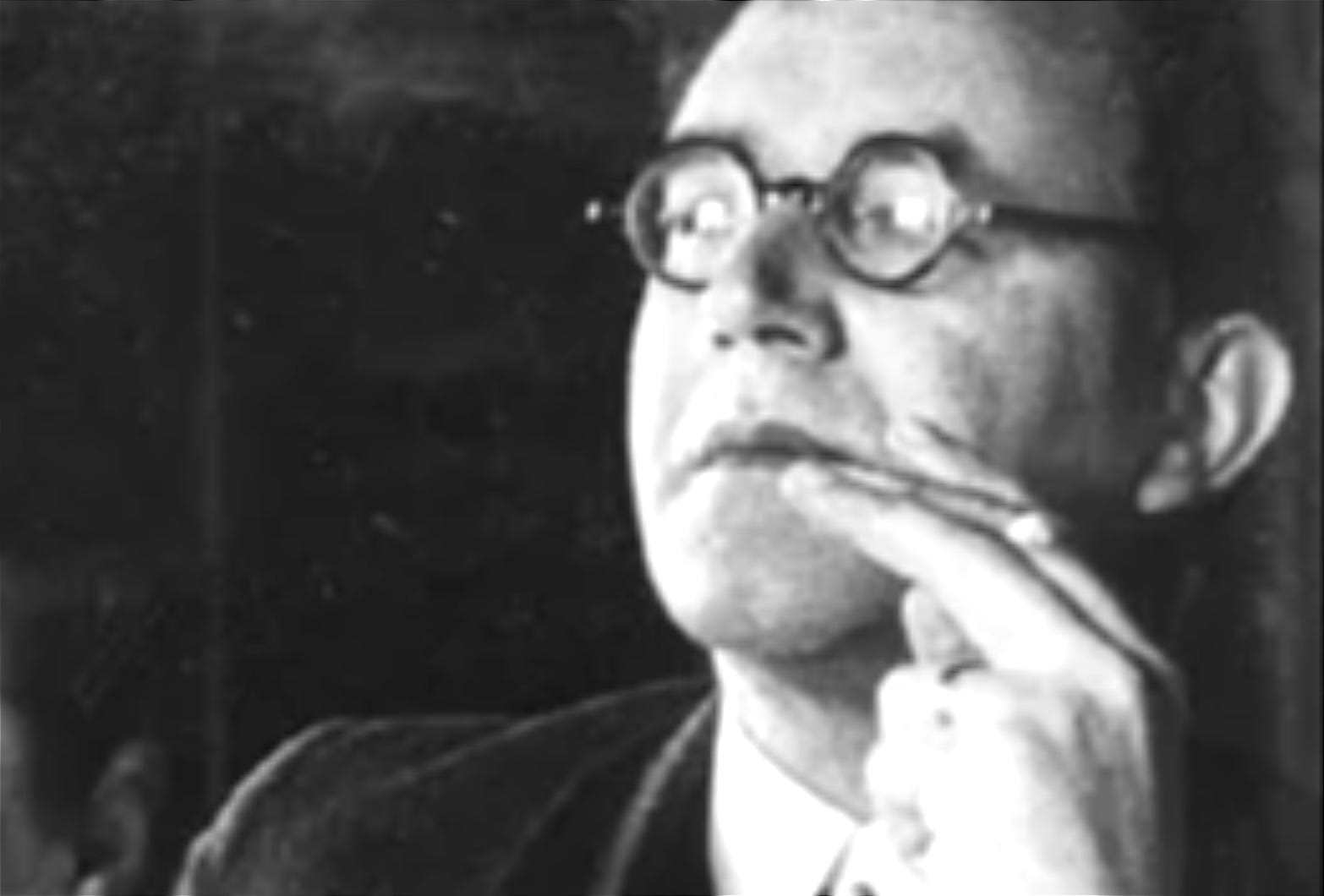
A couple weeks later, on October 31, 1933—Reformation Day—a hundred and fifty concerned pastors crowded into the parsonage of Pastor Gerhard Jacobi in Berlin, summoned to a dialogue with the theologian Karl Barth about the church crisis. Many had been present the night before to hear Barth’s lecture on “Reformation as Decision.”
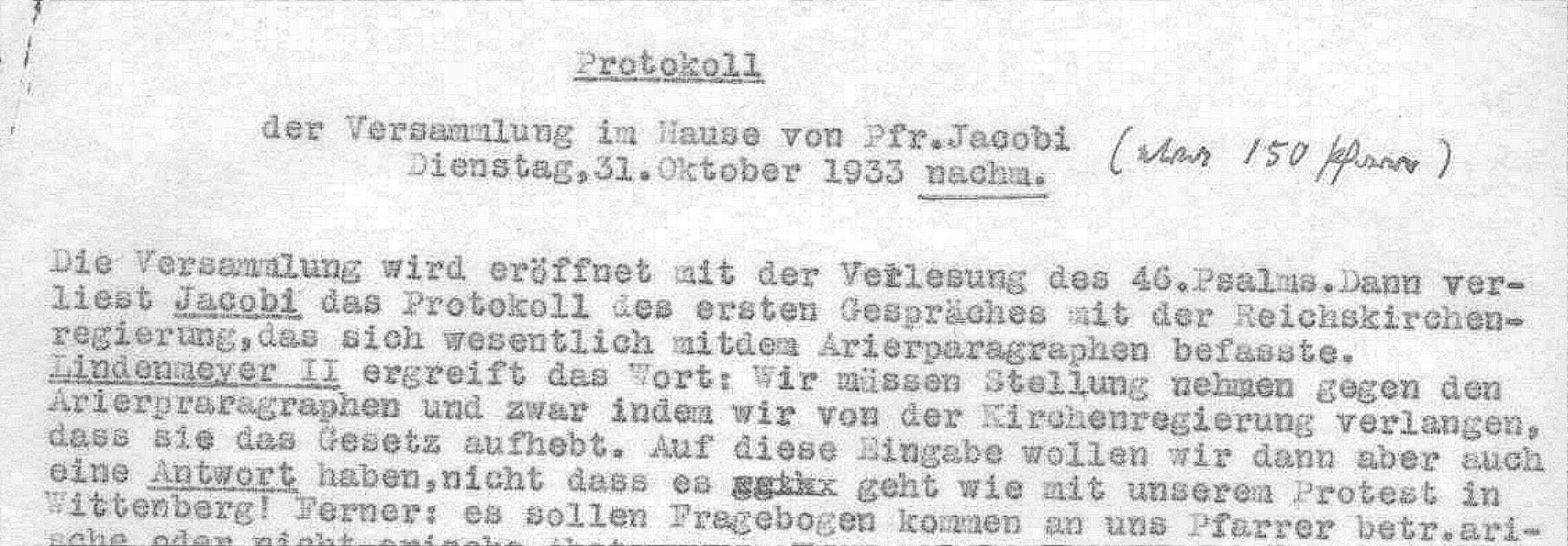
A protocol of the conversation exists, recording the dialogue almost line by line. The meeting opened with a reading from Psalm 46 and the hymn, “A Mighty Fortress is Our God.” Then for the next six hours, the pastors asked dozens of questions. The German Christian Movement’s seizure of church offices had left them with superiors they could not in good conscience recognize as spiritually authoritative. Foremost among them was Hitler’s agent Ludwig Müller, the new German Reich Bishop. His racist, theologically troubling decrees were arriving weekly on pastors’ desks to be read aloud from the pulpit. Should the pastors read them to the church or not? Pastors with Jewish ancestry were being removed from their pulpits. Should the pastors band together and resist these actions? Should they create emergency funds for those fired? Should they consider separating from the existing Protestant church, and starting a new one?
Barth answered their questions, but he also insisted on asking the pastors questions of his own. Barth named what he was doing a Sichtungsexperiment, a sifting experiment. He appealed to the story of Gideon, who sent most of his army home after he was told it was too large to be God’s instrument. Barth said that it would be better for the church to have a small, tested, and faithful resistance movement than a large one that wavered when the critical moment arrived.
Barth ran his experiment by asking four questions in sequence, each one costing a little more than the last.
The first question concerned the Aryan paragraph, the Nazi law stating that all German government officials had to be of pure Aryan descent. The Reich Bishop insisted that this racial test now be applied within the church, and he required every Protestant pastor to fill out a questionnaire confirming his heritage.
Barth asked if the pastors intended to fill out the form, and their answer was unanimous: they would refuse. They agreed that the ministry of the Word is a divine calling entrusted to the church alone. Any congregation that would let the state decide who may stand in its pulpit has surrendered its spiritual authority.
The second question raised the cost. Barth warned that pastors might soon be asked to take the Hitler oath required of all government employees. This oath would bind them “without reservation and unconditionally” to the National Socialist state and to the Führer. Would they take the oath?
The pastors held firm, agreeing that one must obey God rather than men. The sharpest voice belonged to Heinrich Vogel, who pastored a small Lutheran congregation. Vogel was not a Nazi Party member, but like many of the pastors he had been sympathetic to much in the National Socialist platform. For that very reason, he insisted, political loyalty must never be made into an article of faith. The person most likely to be tempted by compromise must draw the starkest lines. To take an oath to Hitler would be to confess two lords, and anyone who does that “may say that he is loyal to ‘Jesus Christ’ a hundred times, a thousand times. But he lies.”
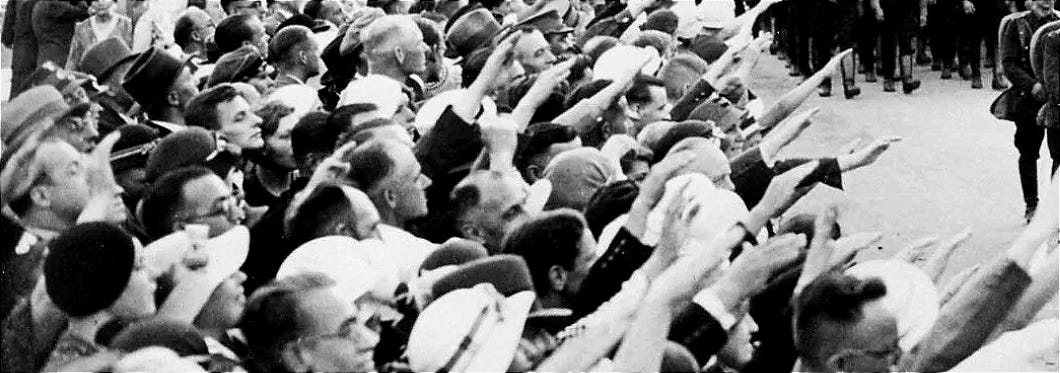
So far, so good. Barth turned to his third question, which involved the public reading of the Reich Bishop’s decrees during worship. Would the pastors agree to refuse to read these decrees?
Here, in Barth’s words, “things start to waver noticeably.” The pastors noted that refusing to read Reich Bishop’s decrees almost certainly would lead to their suspension or dismissal. One suggested that the pastors simply make “small editorial changes” to the offensive wording. Another said that, if the decrees were read before or after the service, the reading would not violate the church’s worship. Still another noted that the congregation knows that the pastors are reading the decrees under compulsion, and so the act of reading does not signal agreement with the content.
To Barth, these alternatives were still compromises. Worship was too serious an occasion to resort to subtle workarounds. “We do not stand before the question of what is effective, but of what is right,” Barth said. These were the decrees issued by a false, heretical church leadership. In this context, the question of whether to read them “becomes a matter of status confessionis,” the point at which a question affects the content of the faith itself, where to bend even slightly is to deny Christ.
Many of the pastors were uncomfortable placing this much weight on something so small. The first two questions were easier to answer, because they involved defending the church’s independence from the state, and they asked the pastors to take a heroic stand on behalf of the church’s freedom. But this third question asked them to take action the very next Sunday, to openly resist current church leadership, and to potentially lose their position or standing. That possibility was harder to contemplate.
Barth’s fourth question focused on the pastors’ willingness to cooperate with the current church government. Would they refuse to serve in administrative positions or sit on its boards? Barth noted that, just weeks earlier, he had been asked to join a Protestant advisory board and had refused. He would not validate the authority of the German Christians by working with or alongside them. Resisting pastors must submit to church leaders as Paul submitted to Nero, that is, without joining them. They must remain distinct, keep their theological integrity, and refuse to collaborate.
The pastors pushed back. Wouldn’t refusing to cooperate with their opponents surrender control of the church government to them? Barth affirmed that it would, and that they must be willing to give up control in order to remain faithful. As an alternative to cooperation, Barth suggested that the resisting pastors constitute themselves as an independent free synod, parallel to the current church synods. They would declare their synod to be the representative of the true church, the body in which the gospel is purely taught and the sacraments rightly administered. These free synods would have no authority now, but they would embody the faith and be ready to assume control when the heretical German Christians’ reign ended.
Several pastors questioned the feasibility of this plan. They did not want to give up their administrative positions or influence in the church. Many were willing to speak their minds and take risks, but only a few were willing to stand against the church itself. Doing so would put their salaries, their positions, and their careers at stake. They worried what would happen to their parishes if they were dismissed.
During a break, Barth privately told Vogel the pastors were not ready to form the kind of resistance the church needed. They were courageous in many ways, but they were not yet willing to risk everything. When the true crisis came, Barth predicted, their desire to preserve their status and positions would overrule their theological convictions.
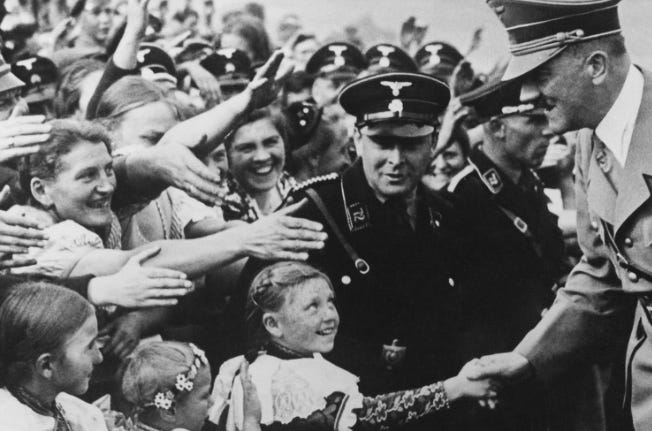
Within minutes, Barth’s prediction seemed like prophecy. When the group gathered again after the break, Gerhard Jacobi arrived with startling news. He had been petitioning Hitler’s office to arrange a meeting with a group of concerned pastors at the Chancellery to discuss the crisis in the church, and he had just learned that Hitler had agreed to a meeting the next day. The room erupted with joyful shouts. The pastors began to debate what might be said, what concessions could be won, how Hitler might use his power to resolve the church crisis.
Barth held back. This, he noted later was the meeting’s most revealing and disheartening moment. A room full of pastors who had spent six hours insisting they would follow only one Lord was lifted off its feet by the prospect of a meeting with another lord.
Even so, Barth did not reject the idea of the meeting; he would go himself, if asked. But he insisted that the church enter it having already answered the only question that mattered: Christ alone, or Christ and Hitler? To seek direction from both would be to confess a second lord alongside the first, a second source of revelation. A church on that both-and path would only “say what Joseph Goebbels says, in slightly different words.” A church following Christ alone would speak with Hitler and also against him. It would raise not only the church’s future but the illegal seizure of church and government offices, the dissolution of the political parties, the concentration camps, the mistreatment of the Jews. “Is the church not also guilty of all this,” Barth asked, “because it kept silent?”
Barth insisted that he was not calling the pastors to political resistance. He was calling them to be Christians in front of state power, holding solely to the church’s one Lord as they spoke and acted. He insisted that the pastors should expect nothing decisive from Hitler, because the church’s future in Germany would not be determined what happened in the Chancellery. Where would it be determined? “Everywhere. In your parsonage, in my lecture hall in Bonn. There is the stage; there is the event.”
The church’s temptation only rarely looks like the open idolatry of Quedlinburg. It usually comes as the quieter lure of access, of a seat at the table, of a position secured by pulling the levers of power. Barth pointed the other way. The church would not be saved or lost in Hitler’s Chancellery. It would be saved or lost in rooms where no one is watching, by people who decide, week after week, to stay loyal to the one true Lord.
Preorder my book at Baylor University Press or Amazon
And your final thought of this incredibly insightful article, is that the real decisions are made privately, and in our hearts. Absolutely. Thank you.